- Industrial Zone No. 3, Urmia, West Azerbaijan, Iran
- 09960786617


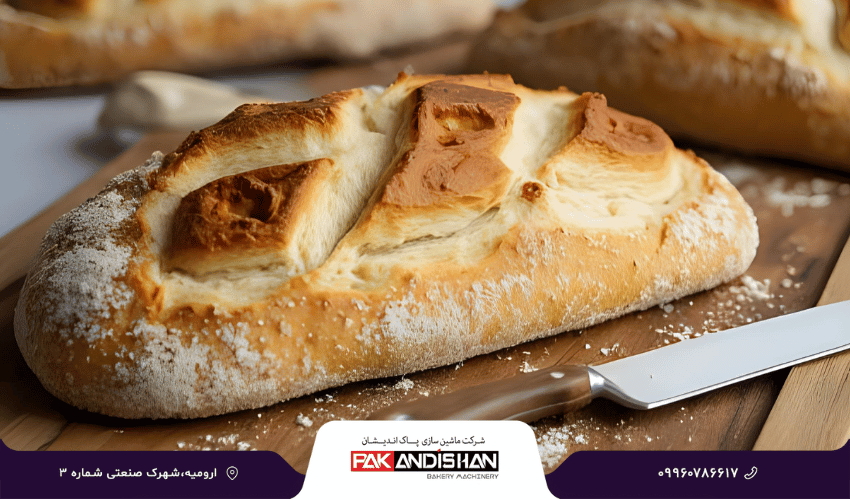
Baking bread at home or in a bakery is one of the most enjoyable activities, especially when the aroma of fresh bread fills the kitchen. However, sometimes the result is a dense and heavy bread that not only lacks the desired taste but also has an unappealing texture. This issue can be particularly disappointing for traditional Iranian breads like Lavash, Barbari, and Taftoon, which require a light and crispy texture. Fortunately, by following a few key tips and using the right tools—such as bakery machines—you can bake light and delicious bread that will impress everyone. In this article, we will show you how to prevent bread from becoming dense, whether you are baking at home with simple tools or in a professional bakery setting.
Understanding the reasons behind heavy bread is the first step to solving this problem. Heavy bread usually results from issues with ingredients, baking techniques, or equipment. Below, we examine the main causes of this issue:
Using inefficient equipment or incorrect settings on tools such as rotary ovens or dough sheeters can result in poorly prepared dough or unevenly baked bread.
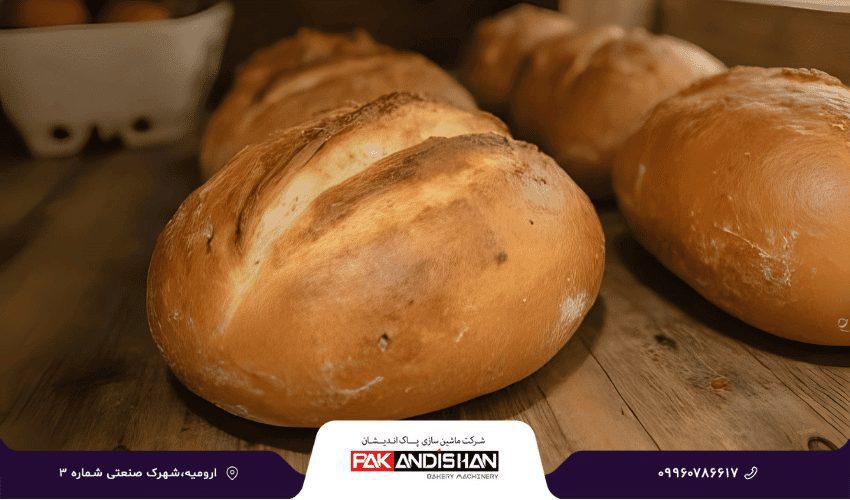
To avoid heavy bread, you need to follow the baking process carefully. Below are key tips for baking traditional Iranian breads.
Proper kneading is essential for creating a light texture. For traditional breads:
If you are using a machine, check the settings to avoid over-kneading, as this can make the texture tough.
Fermentation is one of the most important stages of bread baking. For traditional breads:
Oven temperature and baking method have a significant impact on bread texture:
For more professional baking, you can use a fully automatic Lavash bread machine, which distributes heat and temperature evenly.
Steam helps bread rise and develop a crispy crust. To create steam:
For professional bakers, using proper equipment such as a multifunctional bakery machine for quick dough preparation can improve bread quality. If you are considering advanced equipment, reviewing the price of a fully automatic Lavash bread machine can help you make the right choice.
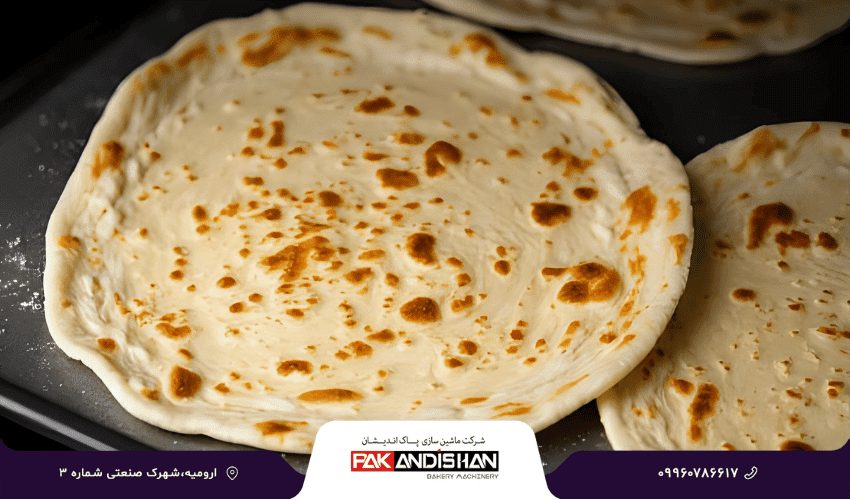
To better understand how to prevent heavy bread, let’s look at the characteristics of Lavash, Barbari, and Taftoon breads:
| Bread | Texture | Thickness | Baking Temperature | Baking Time | Key Points |
|---|---|---|---|---|---|
| Lavash | Thin, crispy | 1–2 mm | 250–300°C | 5–7 minutes | Soft dough, fast baking |
| Barbari | Thick, crispy crust with soft inside | 1–2 cm | 220–250°C | 12–15 minutes | Requires steam and strong kneading |
| Taftoon | Soft, slightly thick | 3–5 mm | 200–220°C | 8–10 minutes | Light dough, longer fermentation |
Do you want to bake light, crispy, and delicious bread that amazes everyone? By following the tips in this article and choosing the right equipment, you can elevate your baking experience to a professional level. For more information on bakery equipment and expert baking solutions, visit the Pak Andishan website and take advantage of our specialized consultation. Start today and bring traditional Iranian bread to your table with unmatched quality!
Hard bread can result from overbaking, low moisture in the dough, or incorrect oven temperature. For traditional breads like Lavash, keep baking time short and oven temperature high.
Using steam during the first 5 minutes of baking and kneading the dough thoroughly (around 12 minutes) will help you achieve a crispy crust and soft interior.
All-purpose flour can be used, but for best results, try a combination of bread flour and whole wheat flour.
Proper kneading, adequate fermentation, and using fresh yeast help make dough lighter. Also, avoid adding too much flour.
No, but certain tools can make the process faster and more consistent, especially for frequent baking.